 Agaves
 Barrel Cacti
 Joshua Trees
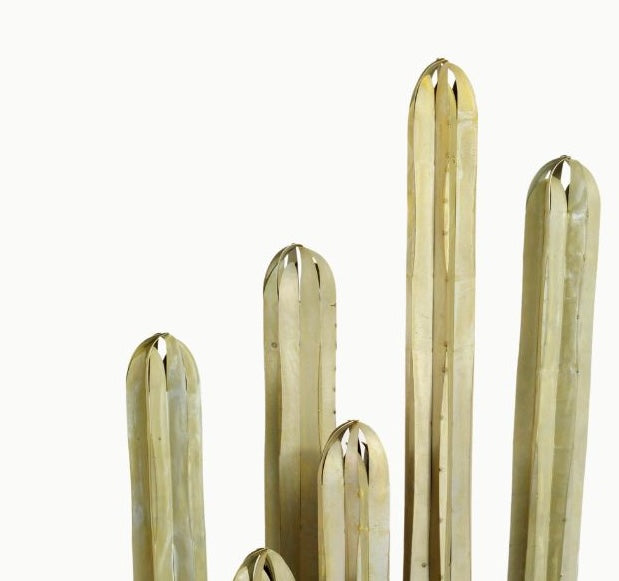 Mexican Fence Post
 Ocotillo
 Paddle Cactus
 Palm Trees
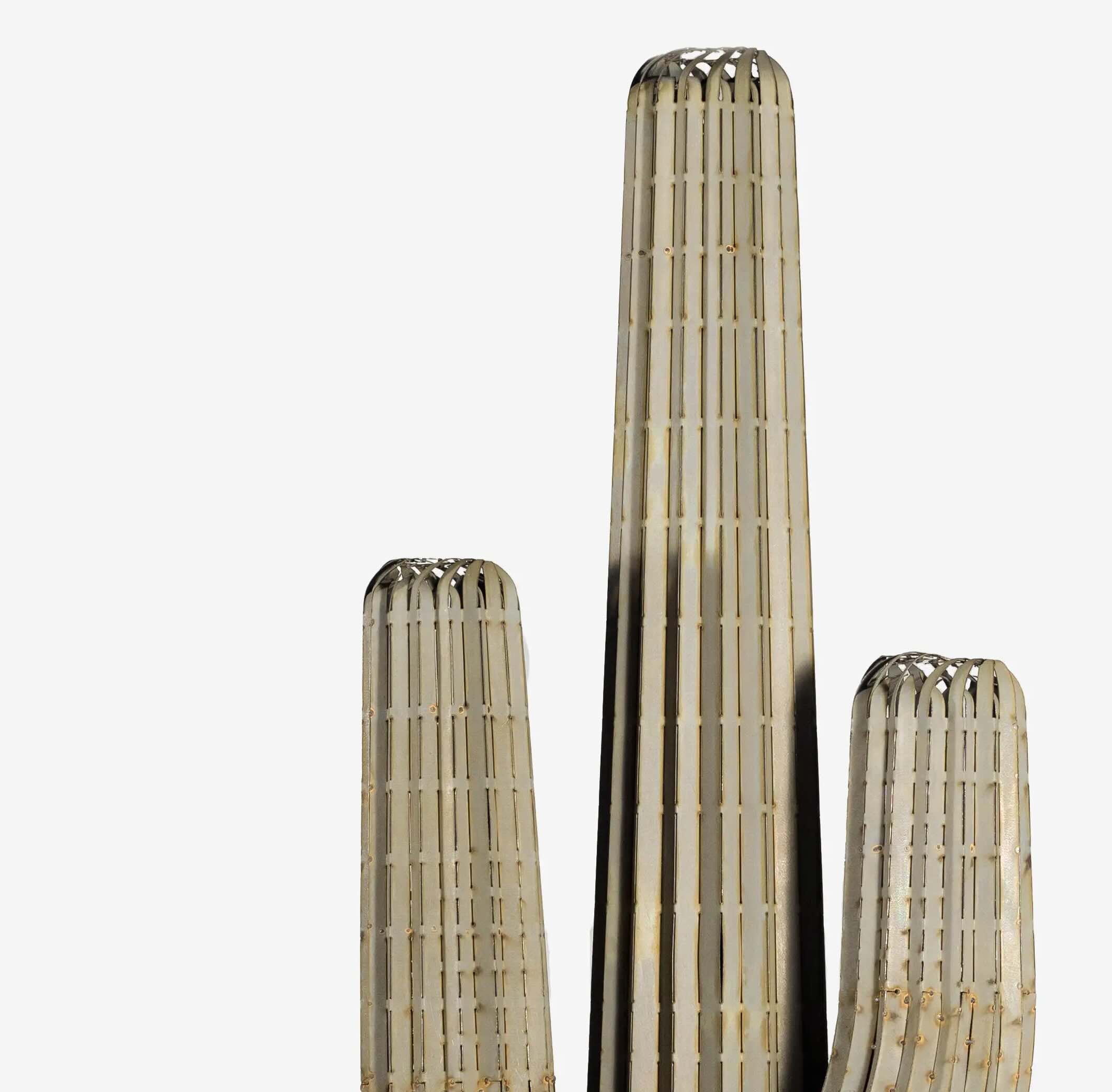 Saguaros
 Succulents
Fire-Resistant Landscaping Ideas for California Homeowners

If you own a home in California’s wildland-urban interface, defensible space isn’t optional, it’s the law. California Public Resources Code (PRC) 4291 requires homeowners in State Responsibility Areas to maintain up to 100 feet of cleared, fire-resistant space around their structures. Getting it right isn’t just about compliance, it’s about giving your home, and the firefighters who may defend it, the best possible chance in a wildfire. This guide breaks down exactly what CAL FIRE requires in each zone, and how to meet those requirements without your yard looking stripped bare.
California’s Defensible Space Zones: What the Law Requires
CAL FIRE divides the area around your home into three zones, each with different requirements. Understanding all three is essential. Most homeowners know about the 5-foot rule but overlook the requirements extending to 100 feet.
Zone 0: Ember-Resistant Zone (0–5 feet)
The first five feet from your home are the most critical. Embers, not flames, ignite most homes in wildfires. Keeping this zone completely non-combustible gives your home its best chance of surviving an ember shower.
CAL FIRE requirements for Zone 0:
-
Use hardscape: gravel, pavers, concrete. No bark mulch or combustible ground cover.
-
Remove all dead and dying plants, weeds, leaves, and debris from roof, gutters, deck, and porch.
-
Remove all branches within 10 feet of any chimney or stovepipe outlet.
-
Limit combustible items on decks (outdoor furniture, planters).
-
Replace combustible fencing, gates, or arbors attached to the home with non-combustible alternatives.
-
Relocate firewood and lumber to Zone 2.
Zone 1: Lean, Clean and Green (5–30 feet)
Within 30 feet of your home, the goal is reducing fuel density and removing dead material. Plants are allowed here, but they must be well-spaced, irrigated, and maintained.
CAL FIRE requirements for Zone 1:
-
Remove all dead plants, grass, and weeds.
-
Remove dead or dry leaves and pine needles from the ground.
-
Trim trees so branches are a minimum of 10 feet from other trees.
-
Create separation between trees, shrubs, and items that could catch fire.
Slope matters: More slope means more spacing. On flat ground, leave two times the height of each shrub between plants. On slopes over 40%, that increases to six times the shrub height.
Zone 2: Fuel Reduction Zone (30–100 feet)
100 feet of defensible space is required by law under PRC 4291. Zone 2 is about reducing the overall fuel load and creating breaks that slow fire spread toward your home.
CAL FIRE requirements for Zone 2:
-
Cut or mow annual grass to a maximum height of 4 inches.
-
Create horizontal space between shrubs and trees (see spacing requirements below).
-
Create vertical space between grass, shrubs, and trees to prevent ladder fuels.
-
Remove fallen leaves, needles, twigs, bark, and small branches. (Permitted to a depth of 3 inches.)
-
Keep 10 feet of clearance around exposed wood piles, down to bare mineral soil.
-
Clear areas around outbuildings and propane tanks, 10 feet clearance minimum.
Tree and Shrub Spacing Requirements by Slope
The amount of space required between plants depends on the slope of your land. Steeper slopes require greater separation because fire travels faster uphill.
| Slope | Space Between Shrubs | Space Between Trees |
|---|---|---|
| Flat / mild (less than 20%) | 2x the height of the shrub | 10 feet |
| Mild to moderate (20–40%) | 4x the height of the shrub | 20 feet |
| Moderate to steep (over 40%) | 6x the height of the shrub | 30 feet |
Vertical clearance: Remove all tree branches at least 6 feet from the ground. Between shrubs and the lowest tree branches, maintain at least three times the height of the shrub. Example: a 5-foot shrub needs 15 feet of clearance to the lowest branch above it.
California County Variations: Stricter Local Standards
California’s defensible space law sets the minimum statewide standard, but many counties require more. Always check with your local fire department for specific requirements.
| County | Notable Difference | Source |
|---|---|---|
| San Diego | Requires 50 feet clearance in Zone 1 (vs. standard 30 feet) | San Diego County Fire |
| Los Angeles | Brush clearance enforced by LA County Fire | fire.lacounty.gov |
| Marin County | Additional defensible space program | marincounty.gov |
| Ventura County | AB 38 compliance inspections | vcfd.org |
For all other counties, use the Municipal Code library at library.municode.com to find local ordinances, or contact your local fire protection district directly.
How to Make Your Defensible Space Look Designed, Not Depleted
Meeting CAL FIRE requirements doesn’t mean your yard has to look stripped back. The homeowners who pull off the best fire-safe landscapes approach compliance as a design brief. Here’s how:
Zone 0: Hardscape as a design foundation
Gravel, decomposed granite, and river rock in Zone 0 give you a clean, modern base. Choose a consistent material and colour to unify the space, then layer in steel sculptures, boulders, or metal planters as focal points. Desert Steel’s barrel cacti and agave sculptures give Zone 0 exactly the visual structure a planted border would, without adding any combustible material.
Zone 1: Structure with spacing
The spacing requirements in Zone 1 actually work in your favour from a design perspective: well-spaced plants with clear sight lines feel intentional, not thin. Use low-water, fire-resistant succulents and native ground covers, punctuated with steel accent pieces at key visual moments.
Entryways and perimeters
Front entries are typically within Zone 0. Flanking a door with steel cacti or sculptural agaves in a gravel bed creates a welcoming arrival sequence that’s fully CAL FIRE compliant. Steel torches and lanterns add warm evening ambience without combustible materials.
Fencing considerations
CAL FIRE specifically requires replacing combustible fencing attached to the home with non-combustible alternatives. Steel fencing and steel gates satisfy this requirement and provide a natural design connection to steel landscape sculptures.
Seasonal Maintenance: Keeping Your Defensible Space Compliant Year-Round
A compliant defensible space requires ongoing upkeep, especially during fire season. CAL FIRE guidance on maintenance:
| Season / Task | What to Do |
|---|---|
| Spring | Prune shrubs before fire season begins. Check irrigation. Clear dead growth from winter. Weed all zones. |
| Summer (fire season) | Mow grass to 4 inches maximum. Mow before 10am, never on a hot or windy day, string trimmers safer than mowers. Clear leaf litter weekly. Keep gutters clear. |
| Autumn | Clear fallen leaves from Zone 0 and Zone 1. Remove dried annuals. Check spacing as plants have grown over summer. |
| Year-round |
Maintain 6ft clearance under trees (ladder fuel removal). Remove any plant or structure touching your home immediately. |
Meeting CAL FIRE Requirements Without Sacrificing Kerb Appeal
Defensible space compliance doesn’t have to mean a bare or unloved yard. Desert Steel’s handcrafted steel sculptures, planters, and torches are built specifically for the fire-safe landscape: non-combustible by material, low-maintenance by design, and visually striking in any zone.
Every piece is 100% steel, meaning it won’t burn, won’t need pruning, and won’t accumulate dead material. Whether you’re starting from scratch after a defensible space inspection or simply redesigning your Zone 0, our collection gives you the building blocks for a yard that meets the law and turns heads.
Browse the full collection of metal plants here.


