 Agaves
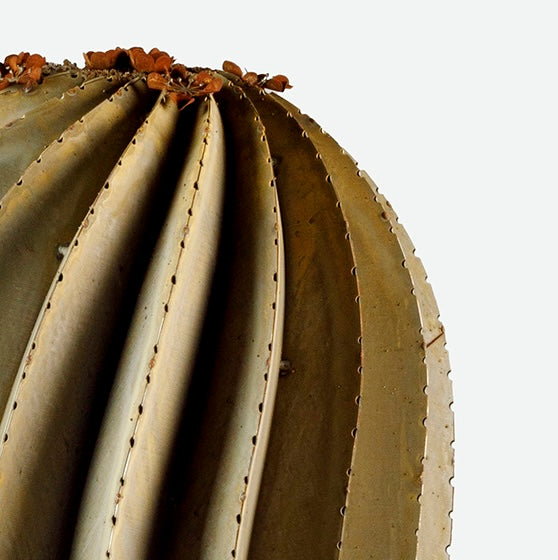 Barrel Cacti
 Joshua Trees
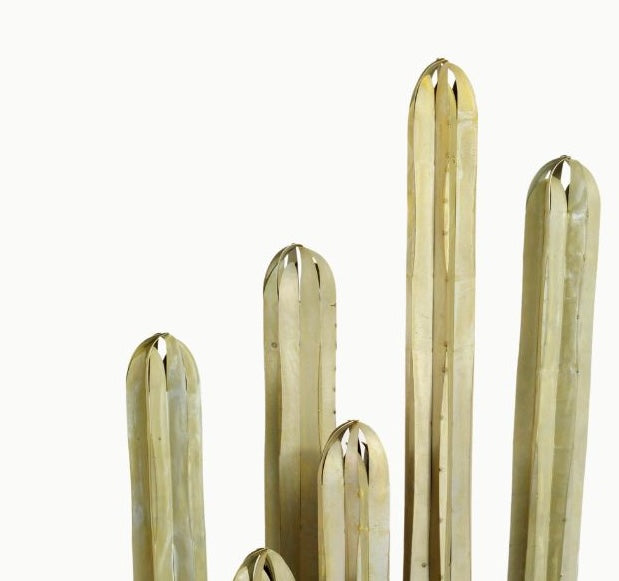 Mexican Fence Post
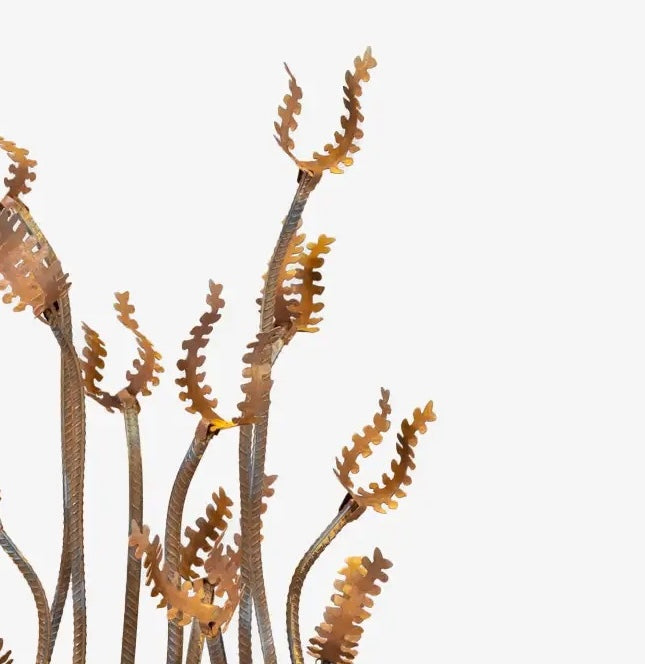 Ocotillo
 Paddle Cactus
 Palm Trees
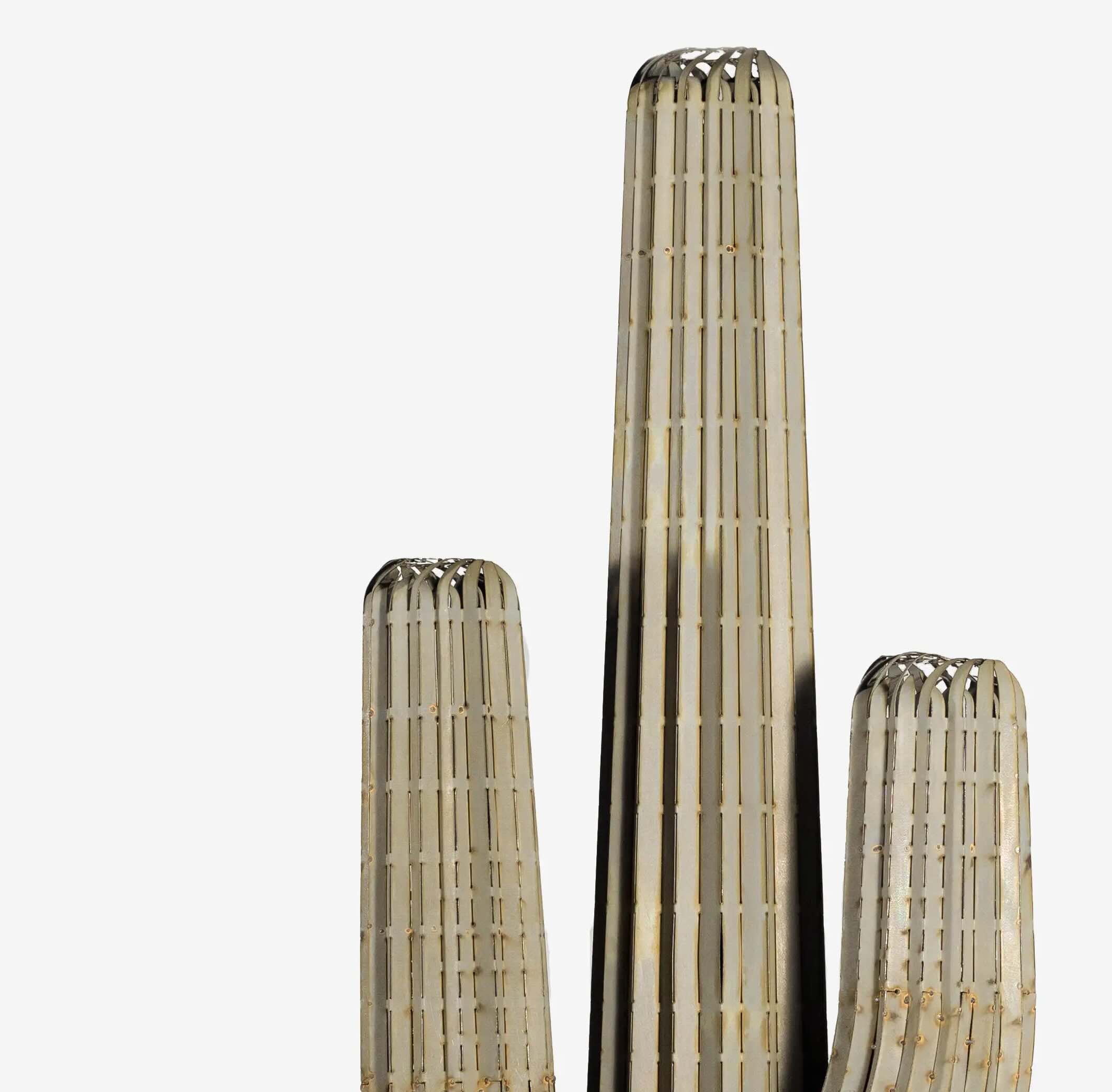 Saguaros
 Succulents
Fire-Safe Landscaping Guide

Fire-safe landscaping, also called firescaping, is the practice of designing your outdoor space to slow or stop the spread of wildfire to your home. Across the western US, fire-prone states like California, Texas, Arizona, and Colorado have introduced defensible space requirements that make fire-safe landscaping a legal obligation for many homeowners, not just a preference. The good news? A fire-safe yard doesn’t have to look stripped-back or bare. With the right plant choices, non-combustible materials, and design instincts, it can be the best-looking garden on the block.
Understanding Defensible Space Zones
Most fire-prone states divide the area around your home into defensible space zones, each with different vegetation and materials requirements. While exact distances and rules vary by state and local jurisdiction, the framework is broadly consistent, and understanding it is the foundation of any fire-safe landscaping plan.
| Zone | Distance | What the Law Requires | Desert Steel Tip |
|---|---|---|---|
| Zone 0 Ember Resistant | 0–5 ft from structure | Non-combustible materials only. No wood mulch, no combustible planters. Gravel, rock, pavers, or bare soil only. | Our steel sculptures and planters are 100% non-combustible - Zone 0 compliant by design. |
| Zone 1 Lean, Clean & Green | 5–30 ft | Irrigated, well-maintained plants with good spacing. No dead material. Limb trees to 6 ft. Remove plants touching structures. | Pair low-water succulents and fire-resistant ground covers with steel accent pieces to maintain visual appeal. |
| Zone 2 Fuel Reduction | 30–100 ft | Reduce density. Create fuel breaks between plants. | Open, spaced planting lets Desert Steel statement pieces stand out as focal points while reducing fire risk. |
Note: Requirements vary by state, county, and fire hazard zone classification. Always check with your local fire agency or state forestry department for the specific rules that apply to your property.
How to Choose Fire-Resistant Plants
Not all 'fire-resistant' plants are equal. A plant's real-world flammability depends on how it’s maintained, watered, and positioned, not just its species. Here’s what to actually look for:
Plant traits that reduce fire risk:
-
High moisture content - fleshy, water-retaining leaves (think succulents, agaves, aloes)
-
Low resin, oil, and sap content - avoid highly aromatic species near structures
-
Open growth structure - allows air circulation and reduces dead material buildup
-
Slow growth rate - fast growers accumulate more fuel faster
-
Minimal leaf and bark litter - dead material on the ground is a primary ignition source
Plant traits that increase fire risk (avoid near your home):
-
Waxy, oily, or heavily scented leaves (rosemary, lavender when mature, ornamental grasses)
-
Dense, shrubby growth that traps embers
-
Dead undergrowth or thatch accumulation
-
Any plant touching your home’s siding, eaves, vents, or deck
Pro tip: Even 'fire-safe' plants become hazardous when stressed by drought or when they accumulate dead material. Regular watering, pruning, and removal of dead debris matter more than plant species alone.
Non-Combustible Materials: What to Use in Zone 0
Within 5 feet of your home (Zone 0), most fire-safe regulations require non-combustible ground cover and materials. This is where many homeowners struggle — removing mulch and wood features can leave the space looking bare.
| Use These | Avoid These | Desert Steel Alternative |
|---|---|---|
| Gravel, decomposed granite, crushed rock | Wood mulch, bark chips | Steel barrel cactus or agave in gravel bed |
| Concrete or stone pavers | Timber decking directly against house | Steel planters on paver base |
| Metal or ceramic planters | Wooden planter boxes | Handcrafted steel planters - non-combustible, weather-resistant |
| River rock, stepping stones | Rubber mulch (still combustible) | Steel sculptures as focal features between rock beds |
Fire-Safe Landscaping Design: How to Make It Look Intentional
The homeowners who pull off the best fire-safe landscapes treat compliance as a design brief, not a restriction. Here’s how:
1. Use hardscape as your foundation
Gravel, river rock, and decomposed granite are your best friends in Zone 0 and Zone 1. Choose a consistent colour and texture to create a cohesive base - then layer in structure with steel sculptures, boulders, or raised planters.
2. Create depth with non-combustible focal points
Where you’d previously have used a wooden planter or dense hedge, use a Desert Steel barrel cactus, agave sculpture, or saguaro as a statement piece. These give the same visual mass and vertical interest without the fire risk.
3. Frame your entry without combustibles
Front entries are typically within Zone 0. Flank your door with steel planters, sculptural cacti, or metal torches to create a welcoming arrival sequence that’s fully code-compliant.
4. Think in layers beyond Zone 0
Zones 1 and 2 allow more plant life. Use low-water, well-spaced succulents and drought-tolerant ground covers here, interspersed with steel accent pieces to maintain continuity of style across all zones.
5. Lighting without fuel
Steel torches and lanterns deliver the warm evening ambience of traditional garden lighting without combustible materials. Unlike tiki torches or wooden lantern posts, they’re built for the fire-safe garden.
Year-Round Maintenance Checklist
A fire-safe landscape requires ongoing attention. Here’s what to do each season:
| Season / Task | What to Do |
|---|---|
| Spring | Remove dead growth from winter. Prune shrubs before fire season. Check irrigation. Weed Zone 0 and 1. |
| Summer (fire season) | Mow grass to 4 inches or less. Remove leaf litter and dead branches weekly. Keep gutters clear. Ensure plants aren’t touching the house. |
| Autumn | Clear fallen leaves, especially from Zone 0. Remove dried annuals. Reassess plant spacing before next season. |
| Year-round | Maintain at least 6ft clearance under trees (ladder fuel removal). Remove any plant touching your structure immediately. |
Frequently Asked Questions About Fire-Safe Landscaping
What is fire-safe landscaping?
Fire-safe landscaping, also called firescaping, is the practice of designing your outdoor space using fire-resistant plants, non-combustible materials, and strategic spacing to slow the spread of wildfire and protect your home.
Is fire-safe landscaping required by law?
In many fire-prone states it is. California, Oregon, Colorado, Texas, and others have defensible space laws requiring homeowners in high fire hazard zones to maintain cleared, fire-resistant areas around their structures. Requirements vary by state and jurisdiction - check with your local fire agency or state forestry department to understand what applies to your property.
What plants are best for fire-safe landscaping?
Plants with high moisture content, low resin/oil levels, and open growth structures perform best. Succulents (agave, aloe, cactus), certain native ground covers, and deciduous trees tend to have lower flammability. That said, plant care and watering habits affect fire resistance more than species alone - and the best choices vary by region and climate.
Can I have a beautiful yard and still be fire-safe?
Absolutely. Non-combustible hardscaping - gravel, stone, pavers - combined with steel sculptures, metal planters, and drought-tolerant plants creates a landscape that is both compliant and visually stunning. Desert Steel’s handcrafted pieces are designed specifically for Zone 0 compliance without sacrificing style.
How do I know if my home is in a high fire hazard zone?
Most states with wildfire risk publish fire hazard severity zone maps online. In California, use the CAL FIRE viewer at osfm.fire.ca.gov. In Texas, check with the Texas A&M Forest Service. For other states, search '[your state] fire hazard zone map' or contact your local fire agency directly.
Ready to Make Your Fire-Safe Yard Beautiful?
Desert Steel’s handcrafted steel sculptures, planters, and torches are built for exactly this challenge: outdoor spaces that need to be non-combustible, low-maintenance, and genuinely stunning.
Every piece is weather-resistant, 100% non-combustible, and Zone 0 compliant. Whether you’re starting from scratch or redesigning after a defensible space inspection, our collection gives you the building blocks for a fire-safe yard that turns heads.
Explore the full collection of metal plants - or contact us for help choosing pieces for your space.


